

Realistic AI Character Creation: Design a Lifelike Look
Create a Realistic AI CharacterA realistic character is often defined by details that feel ordinary rather than spectacular: natural lighting, a believable outfit, a relaxed expression and a personality that fits the setting. Realistic AI character creation lets you start with those details and develop an original fictional character with a grounded visual direction.
Bonbon includes realistic character creation as an alternative to anime-inspired design. The goal is not to claim that a digital character is human. It is to give your fictional character a coherent appearance and conversational identity, then explore how that concept works in AI chat or visual content.
What Does Realistic Character Creation Mean?
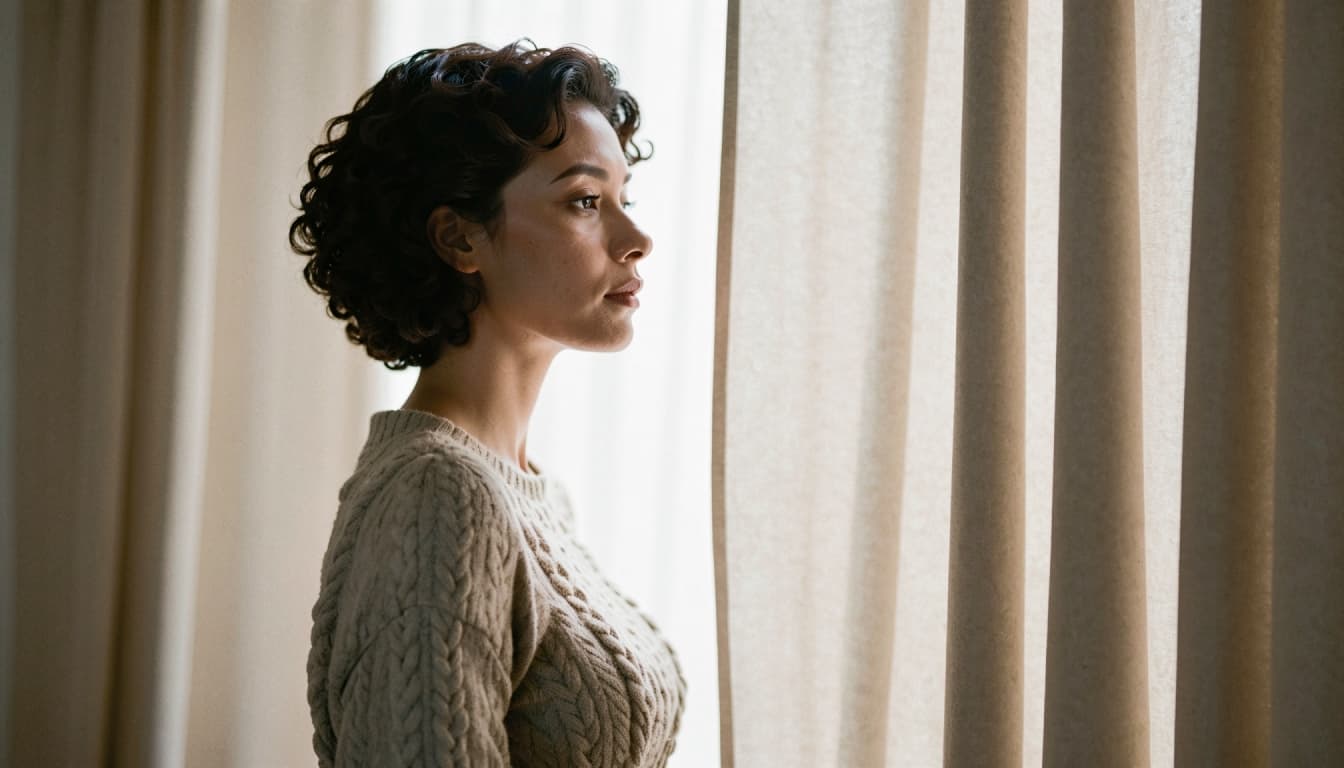
Visual realism is about how a character is portrayed. Instead of highly stylized proportions or exaggerated illustration, you might aim for natural skin tones, fabric texture, familiar settings and believable light. Personality realism is a different consideration: whether a character has a recognizable point of view and a consistent tone.
You can work toward either quality independently. A convincing portrait does not automatically make dialogue feel nuanced, and a compelling personality does not require a photorealistic image. The most engaging character concepts give both visual presentation and conversational tone deliberate attention.
If you are primarily interested in conversational companionship rather than building a character from scratch, explore realistic AI girlfriend chat. That page addresses the broader user experience, while this one explains the creation process.

Begin With a Simple, Believable Character Concept
Choose a fictional adult character with a clear role and visual setting. For example, a florist closing a small shop at dusk, a historian in an old library or an architect working in a bright city studio. Each idea naturally suggests clothing, light and mood.
Then write a short visual description. This example focuses on ordinary details:
"Portrait of an adult fictional architect, early thirties, dark wavy hair, casual linen shirt, natural posture, soft window light in a contemporary studio, calm and approachable expression."
You can change the scene or outfit without losing the core idea. That flexibility is more useful than writing a description so detailed that every generation becomes difficult to adjust. See realistic character prompts for additional starting concepts.
Make Lighting and Composition Work Together
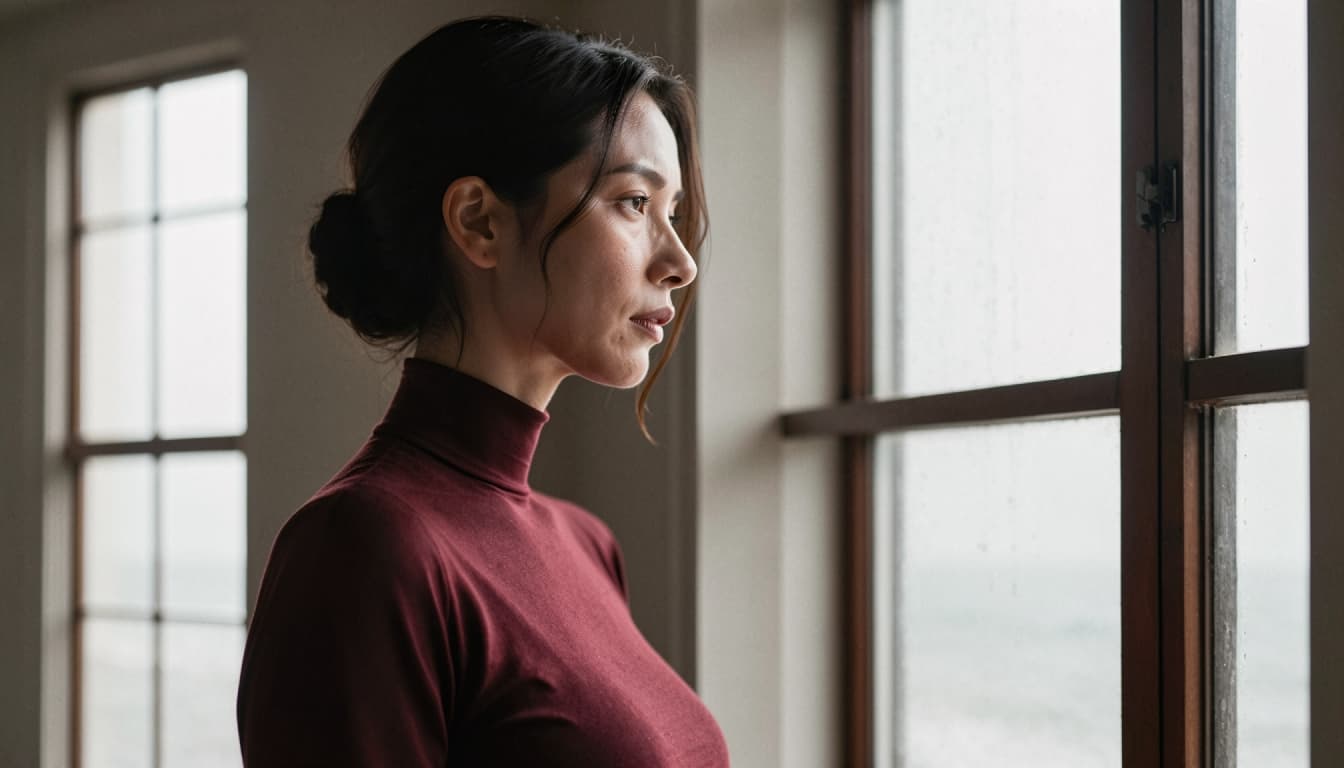
A visually grounded portrait depends on more than the character's face. Think about the camera distance, the environment and the quality of light. A tight head-and-shoulders portrait will emphasize expression, while a wider scene can communicate occupation or setting.
Daylight through a window suggests a different mood from a nighttime street scene. A casual outfit can make a fictional character feel contemporary; a structured costume can support a cinematic concept. Keep those choices connected to the personality you want to express.
When writing a prompt, avoid stacking contradictory instructions such as "bright sunny interior" and "almost completely dark room" unless a specific contrast is your intention. Clear visual priorities make the concept easier to interpret.
For image-focused inspiration, explore realistic AI image prompts.

Give the Character a Natural Conversational Voice
A realistic appearance pairs well with dialogue that sounds conversational instead of theatrical. Ask yourself how the character introduces themselves, what interests them and what kinds of questions they would ask. A cheerful musician and a thoughtful researcher might both be friendly but express that quality differently.
Here is a simple personality prompt:
"You are an adult fictional photographer who is observant, good-humored and passionate about street architecture. Speak naturally, avoid exaggerated compliments, and respond with curiosity when the conversation introduces an unexpected detail."
You do not need to force every line into a particular emotional tone. Give your character enough individuality to disagree, joke or change topics. A brief test chat can show which parts of the prompt need refinement.

Realistic vs. Anime Character Creation
The difference is primarily visual. Realistic styling emphasizes familiar textures and photographic cues; anime styling uses illustrative conventions, stylized expressions and bolder design choices. Both can support thoughtful personalities, original stories and creative imagery.
One style is not inherently better for character chat. Choose based on the aesthetic you enjoy and the kind of world you want to create. If you are undecided, read realistic vs. anime AI characters for a clearer comparison.

How to Create a Realistic AI Character on Bonbon
1. Open the current Bonbon character creator and choose the realistic visual path, if available.
2. Define a fictional adult character and the few appearance details that make them distinctive.
3. Use the editor's current controls to refine the look and the scene.
4. Add personality traits, a conversational goal and a first-message idea.
5. Review the character and test the experience, revising details when the results do not match your concept.
For the broader editing workflow, see AI character customization. Individual fields and saved-character editing options may vary with product updates.
Keep Your Character Original and Respectful
Realistic generation should not become a tool for impersonating somebody. Avoid using a recognizable real person's identity without authorization, and do not create intimate material depicting identifiable people without their consent. Original fictional adult characters offer creative flexibility without those risks.
AI outputs can also introduce visual inaccuracies. Inspect generated images rather than assuming every detail is reliable or consistent. A simple prompt and thoughtful revisions are more useful than claims of perfect photorealism.
Make a Fictional Character Feel Considered
A realistic character doesn't need impossible perfection. What matters is a clear concept, a recognizable look and a personality worth exploring. Start with a believable setting, shape the details that reinforce it and build from there.
Start Designing a Realistic AI Character on Bonbon