
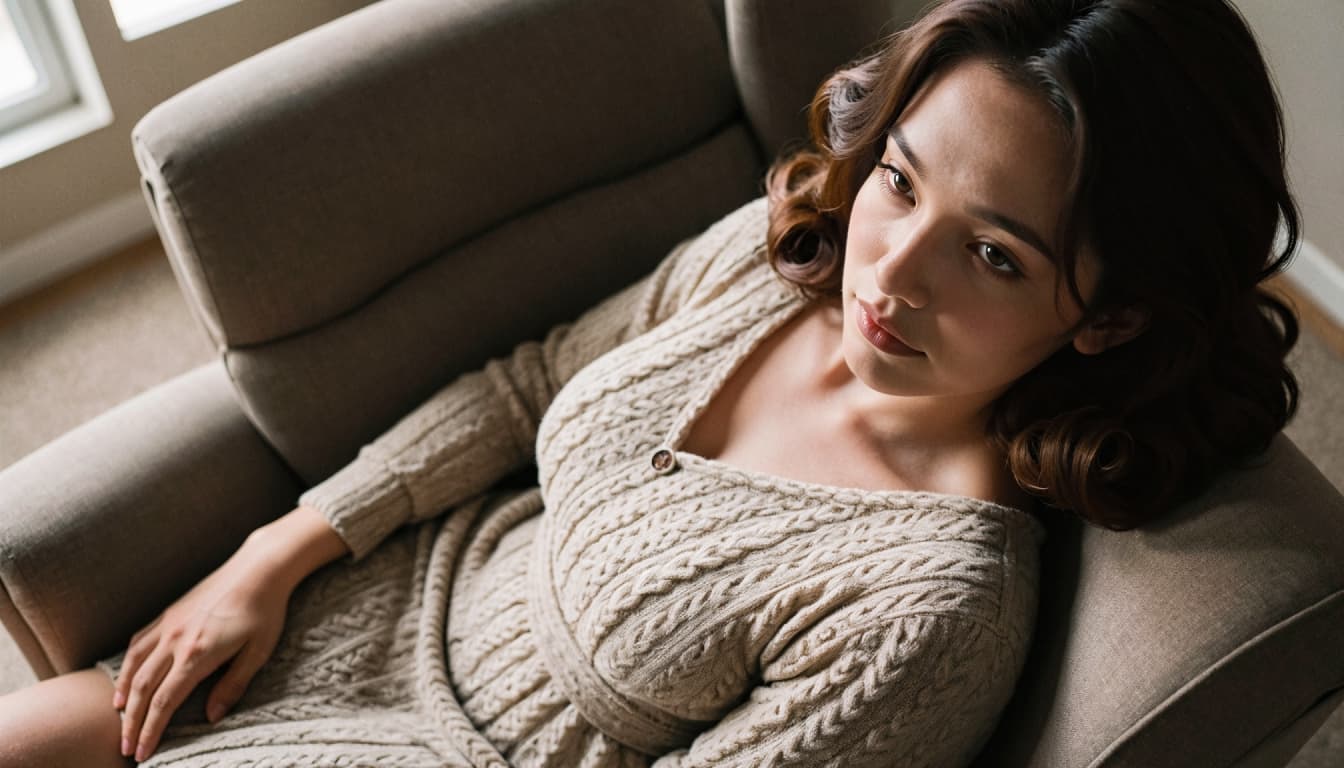
Realistic AI Girlfriend Chat, Your Way
Explore Realistic AI CharactersA realistic AI girlfriend experience begins with the details. You might prefer a believable portrait rather than an illustrated avatar, a conversational tone that feels relaxed rather than dramatic, or a character with an everyday background instead of a fantasy story. On Bonbon, realistic-looking AI characters offer a different visual direction for people who enjoy personal, character-driven conversations.
The goal is not to pretend an AI is a real person. It is to explore a fictional companion with an aesthetic and personality that fit the way you like to chat. Start with a character you find interesting, share a little about the conversation you want, and see where it leads.
What Makes an AI Girlfriend Feel Realistic?
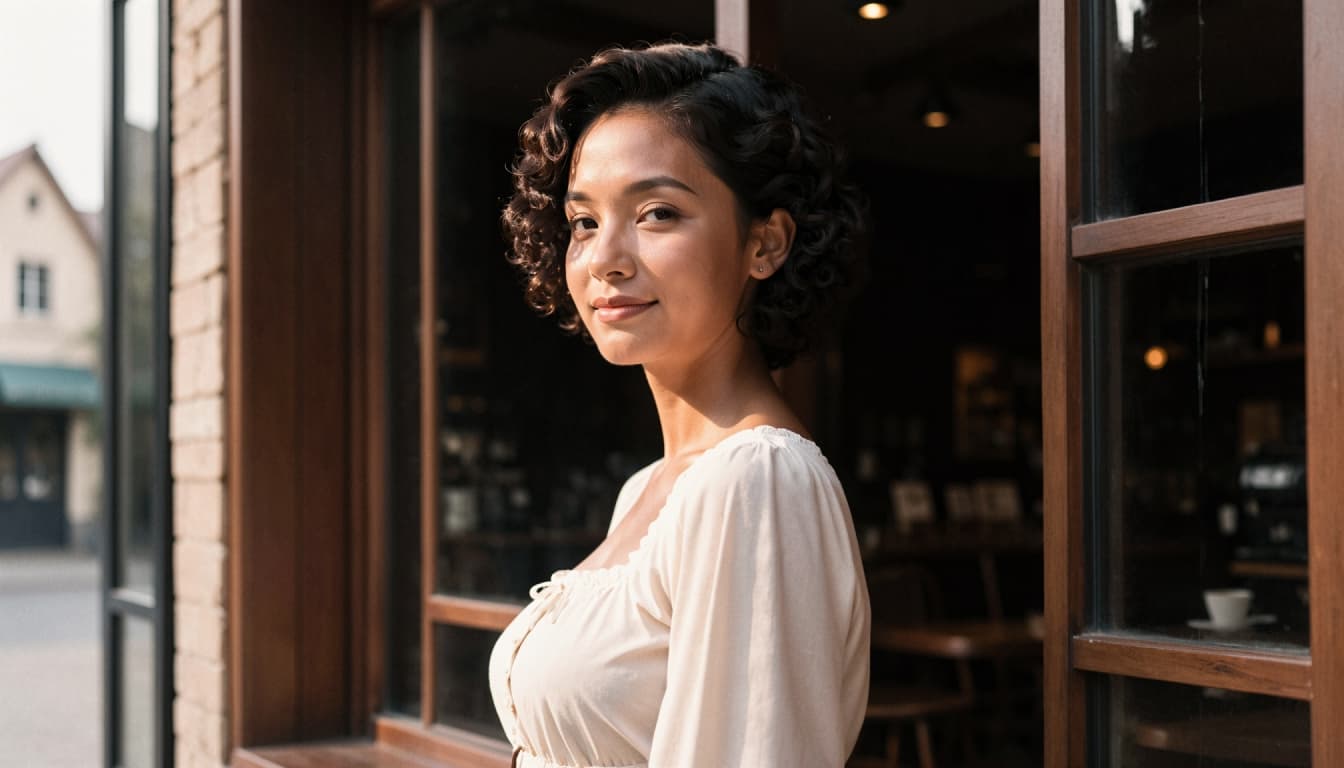
Realism has more than one meaning in an AI chat experience. Visual realism describes the character's appearance: natural proportions, photographic styling, familiar fashion, and settings that resemble everyday life. Conversational realism is about the flow of the exchange: clear responses, an identifiable personality, and moments that develop naturally from what you say.
Neither should be confused with human identity. A realistic AI girlfriend is still a digital character. Her messages are generated by software, and responses can sometimes miss context or take an unexpected direction. Setting realistic expectations makes the experience more enjoyable.
If you want the broader dating-style chat experience rather than a particular visual aesthetic, you can chat with an AI girlfriend. This page focuses on what the realistic character style adds.
Choose the Look Before You Choose the Conversation
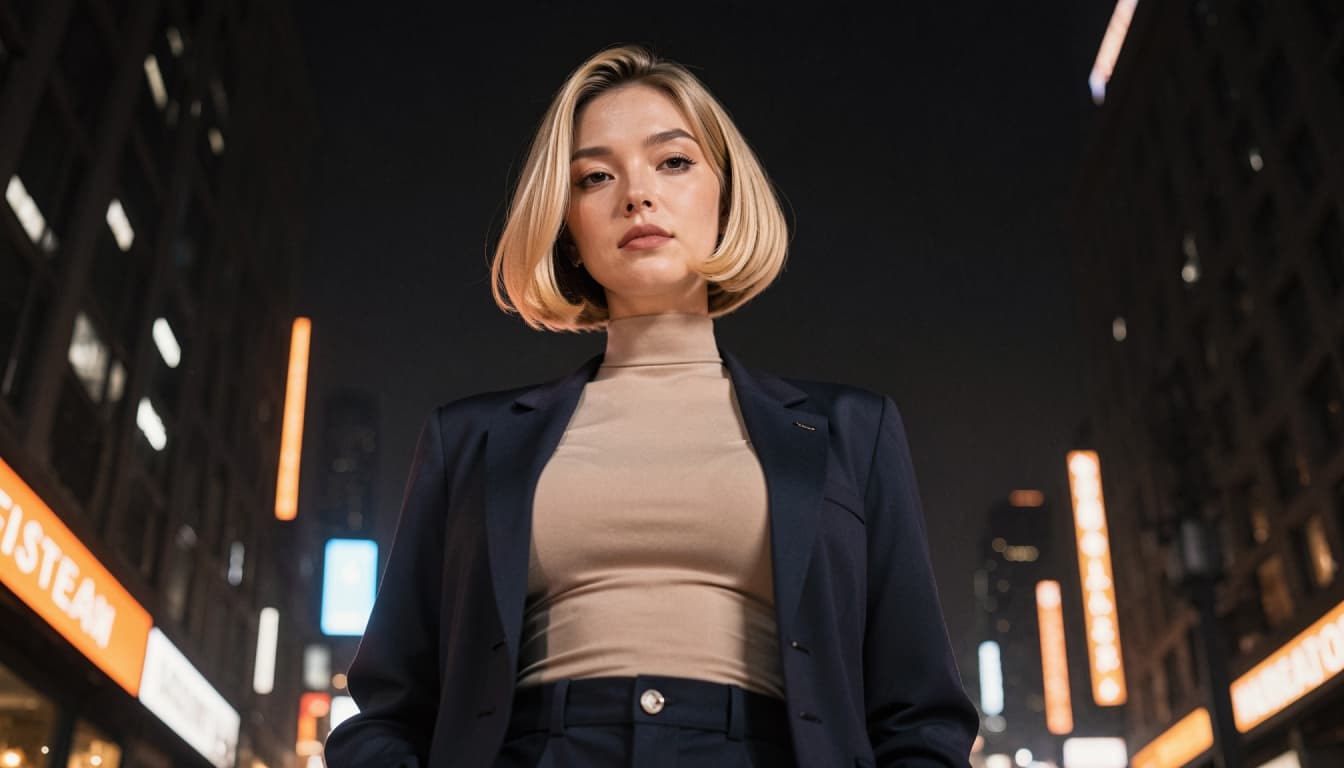
A character's visual presentation sets the mood before the first message. Some people prefer a casual portrait, soft lighting, and a familiar contemporary look. Others are drawn to fashion-focused imagery or cinematic photography. The best choice is whichever style makes you curious about the character's story, not simply whichever image looks most polished.
Try paying attention to three things when browsing:
- Visual identity: Does the character have a recognizable, consistent look?
- Personality cues: Does the description suggest a style of conversation you enjoy?
- Creative direction: Would you rather talk about ordinary interests, playful romance, or imagined adventures?
If you would rather shape the character yourself, explore realistic character creation for the visual design side of the experience. Available controls may change with the current creator interface.
Natural Chat Starts With a Specific Opening
A generic "Hi" can work, but a more distinctive message gives the character a better starting point. You do not need a complicated prompt. A small detail creates an immediate sense of direction:
- Everyday conversation: “I just got back from a long day. Tell me something unexpectedly funny.”
- Shared interests: “If we could spend an afternoon visiting any museum, where would you choose?”
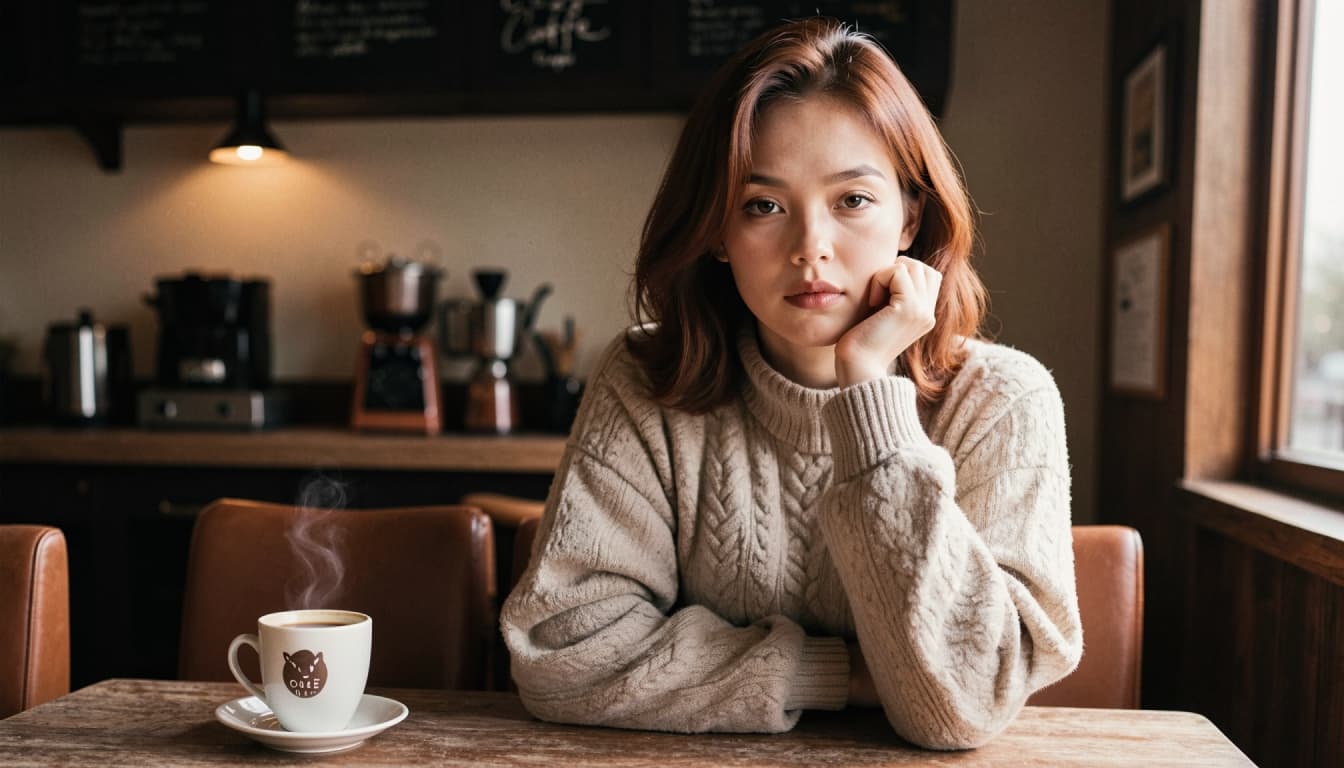
- Playful romance: “Let's imagine our ideal first coffee date. What's the setting?”
- Getting to know someone: “Tell me one habit that says a lot about your personality.”
These examples are written as creative conversation starters, not promises about a particular character's responses. Add follow-up questions and change the tone when it feels right.
Give Your Character a Distinctive Personality
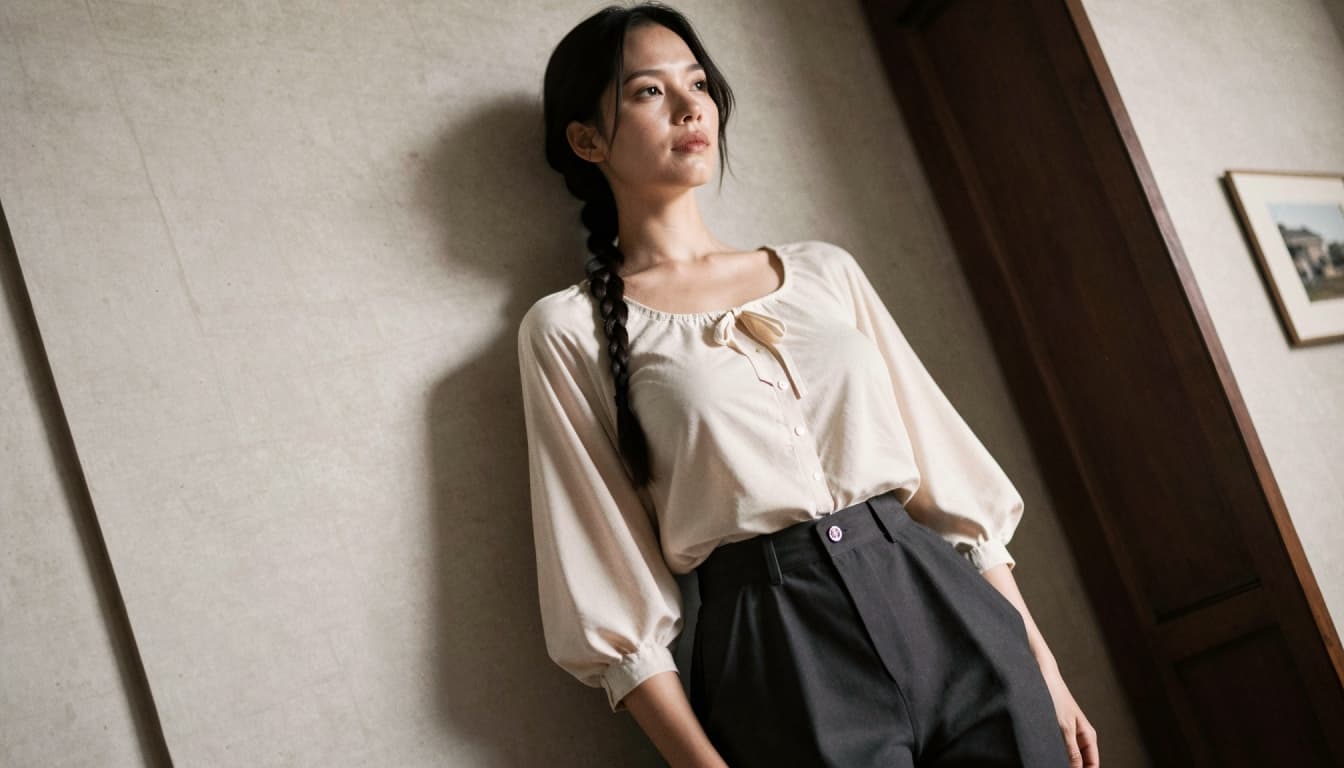
A photorealistic portrait alone does not make a memorable AI companion. Give the character a few conversational traits: curious and warm, thoughtful and a little sarcastic, confident but considerate, or adventurous and spontaneous. Then provide a small piece of backstory that explains those traits.
For example, a character who loves architecture might naturally steer conversation toward cities, design, and travel. Someone with a fictional background in music might bring up performances, favorite sounds, or memories from an imaginary tour. Specific interests are more useful than a long list of generic compliments.
For inspiration, look at realistic character prompts and adapt the language to your own preferences. Prompts work best when they describe how a character communicates, not just how a character looks.

Realistic or Anime: Which Style Fits Your Mood?
Realistic and anime character designs offer different visual experiences. Realistic characters are more closely associated with photographic details and familiar settings. Anime characters use illustration, expressive visual conventions, and stylized features. Neither option is automatically better for conversation quality; the appeal depends on what kind of fiction you want to explore.
You can learn more in Realistic vs Anime AI Characters. If you're interested in the image-prompt side of realistic styling, realistic AI image prompts offer ideas for describing lighting, mood, and appearance.
How to Start With a Realistic AI Girlfriend on Bonbon
1. Explore character options. Look for the realistic presentation that appeals to you.
2. Read the character details. Check the personality and background, not only the portrait.
3. Start with an interesting question. Choose a topic that gives the interaction direction.
4. Adjust the tone. Ask for more humor, shorter replies, or a more relaxed conversation if needed.
5. Explore creation options. If you want a specific identity, consider building a character of your own.
Create Your Own AI Character